


Lucas Jeep Chrysler Dodge RAM
2027 RAM 2500 • LUCAS CDJR
Work through cab, equipment, financing and ownership questions before your visit.
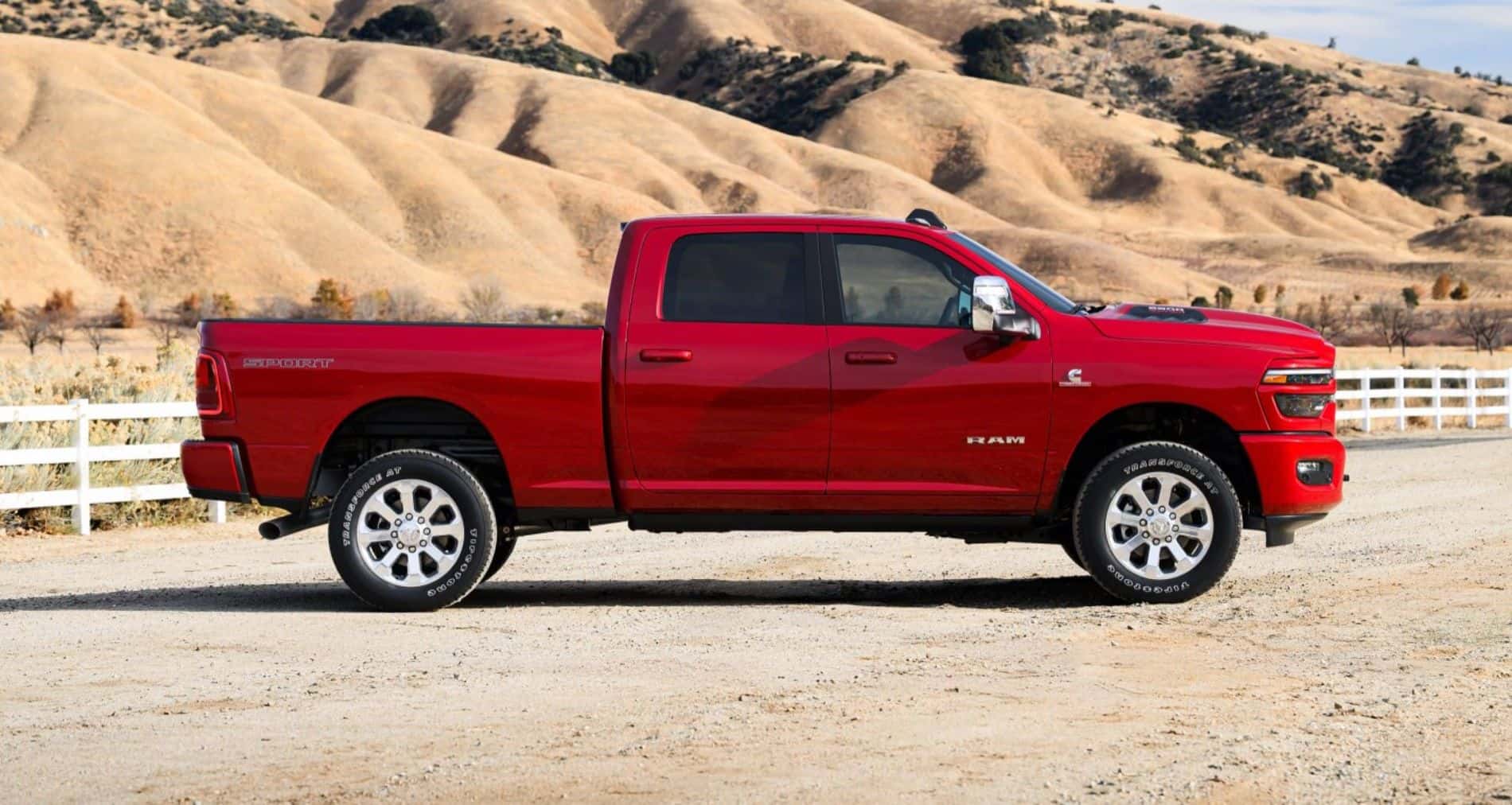
South Jersey shoppers can use these 2027 Ram 2500 answers to resolve truck and purchase questions before visiting Lucas CDJR. The Ram 2500 overview introduces the buying decisions, and the trim guide explains the equipment choices. Detailed measurements, towing calculations and service planning have their own guides.
The Tradesman Regular Cab 4×2 with the 8-foot box starts at $48,040 MSRP. That figure excludes the $2,795 destination charge, taxes, title, registration and options. A Crew Cab, different engine or added equipment changes the purchase basis. Use the starting figure to understand the entry configuration, then ask Lucas CDJR for the complete price of the exact truck you want to buy.
Limited and Limited Longhorn each show a $75,505 starting MSRP for the identified Crew Cab 4×2 with the 8-foot box, excluding destination and other purchase charges. Their different cabin materials and optional equipment still matter. Compare a specific truck in each trim if you are deciding between them; equal base prices do not mean their complete equipment, body choices or final prices are identical.
A useful quote identifies the vehicle and its installed equipment, selling price, destination treatment, applicable taxes and fees, trade allowance and any financing terms being discussed. Ask which items are included in the displayed figure and which are additional. Cherry Hill shoppers can save an inventory listing before contacting Lucas so the conversation starts with the same vehicle rather than an unspecified trim or a base-price advertisement.
Use the Ram 2500 inventory page and filter for the year, cab and powertrain that suit the job. Save individual listings and contact our team to review the equipment and arrange a visit. When a requirement is essential, such as a particular hitch preparation or chassis package, identify it explicitly so the truck discussion stays focused on that feature rather than a broad trim description.
Work from the complete purchase and financing terms together. A payment depends on the amount financed, down payment, trade, term and applicable rate, so one payment alone does not describe the transaction. Decide on the truck requirements and budget, then review the numbers in writing. The financing application starts a discussion; it is not a promise of approval or a particular payment.
The 6.4-liter HEMI V8 is the gas choice, producing 405 horsepower and 429 lb-ft of torque. The available 6.7-liter High-Output Cummins turbo diesel delivers 430 horsepower and 1,075 lb-ft. Each uses an eight-speed automatic suited to that powertrain. Your decision should include loaded use and ownership routine, with the engine specifications providing the detailed outputs and transmission information. Consider the transmission and the way the truck delivers power as part of that discussion.
Consider the frequency and duration of loaded trailer work alongside fuel and service planning. The Cummins offers a different torque-delivery and exhaust-braking experience from the gas engine, so demonstrate those functions in the configuration you are considering. Include the weight of permanently carried equipment in the decision. A useful engine choice serves recurring work and the ownership routine, rather than being decided by one output figure.
One properly equipped example is a Cummins Tradesman Crew Cab 4×2 with the 6-foot-4-inch box. The 20,000-pound maximum is not a rating for every Ram 2500. Cab, drive, engine and equipment affect the result, while hitch load also uses payload. Review the configuration tables and loading guidance with your trailer information before applying a lineup maximum to a particular inventory truck. Include the people and equipment that remain in the truck when the trailer is attached.
The Ram 2500 falls within the federal heavy-duty fuel-economy testing exemption for the relevant truck class. It should not be assigned a light-duty EPA city or highway number. Actual fuel use depends on powertrain, load, driving and conditions. For budgeting, describe your mileage and towing pattern and distinguish that estimate from a certified rating. Fuel-tank capacity alone also does not establish a guaranteed driving range.
Four-wheel drive identifies a drive configuration, but it does not establish the truck’s trailer, payload, axle or tire limits. Cab size, installed equipment and the engine still matter. Consider the traction requirements of the surfaces you use, then review the finished truck’s actual ratings. A buyer who regularly carries tools needs those weights included whether the vehicle is 4×2 or 4×4.
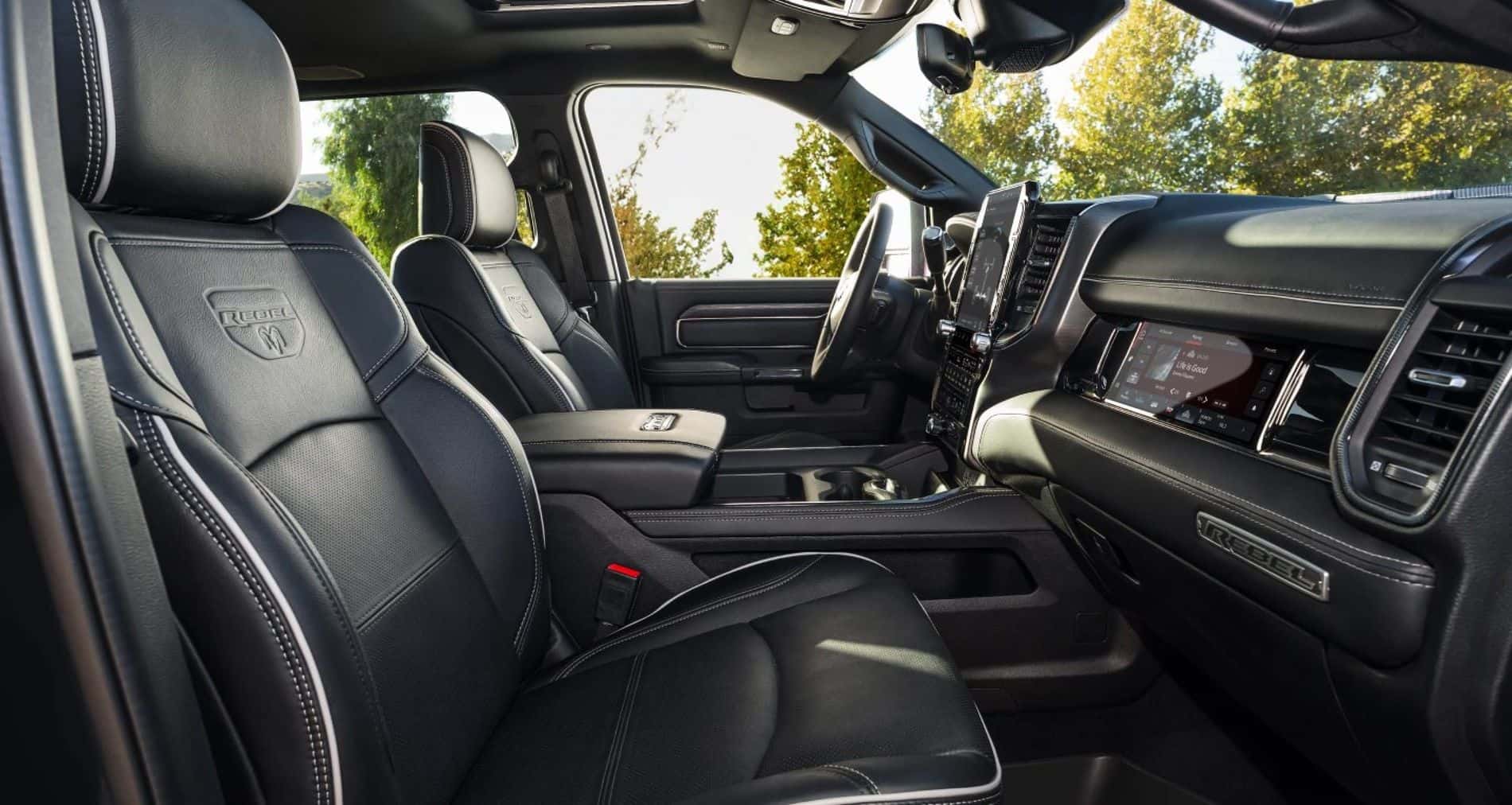
Ask to see the center Uconnect screen, instrument display and the available front passenger screen as separate pieces of equipment. The largest available center touchscreen is 14.5 inches, while the available passenger display measures 10.25 inches. Not every truck includes the same arrangement. Try the controls from your preferred seat position and have the specific equipment demonstrated rather than assuming a large center screen proves the presence of every other display.
Available equipment includes a digital rearview mirror and a wired Tow Mode Camera for a view behind a suitably equipped trailer. Other camera views address the area around the truck. Explain which view you need and check the camera hardware and connections involved. These systems support visibility, but they do not calculate the trailer’s weight or establish that the hitch installation is appropriate for the combination.
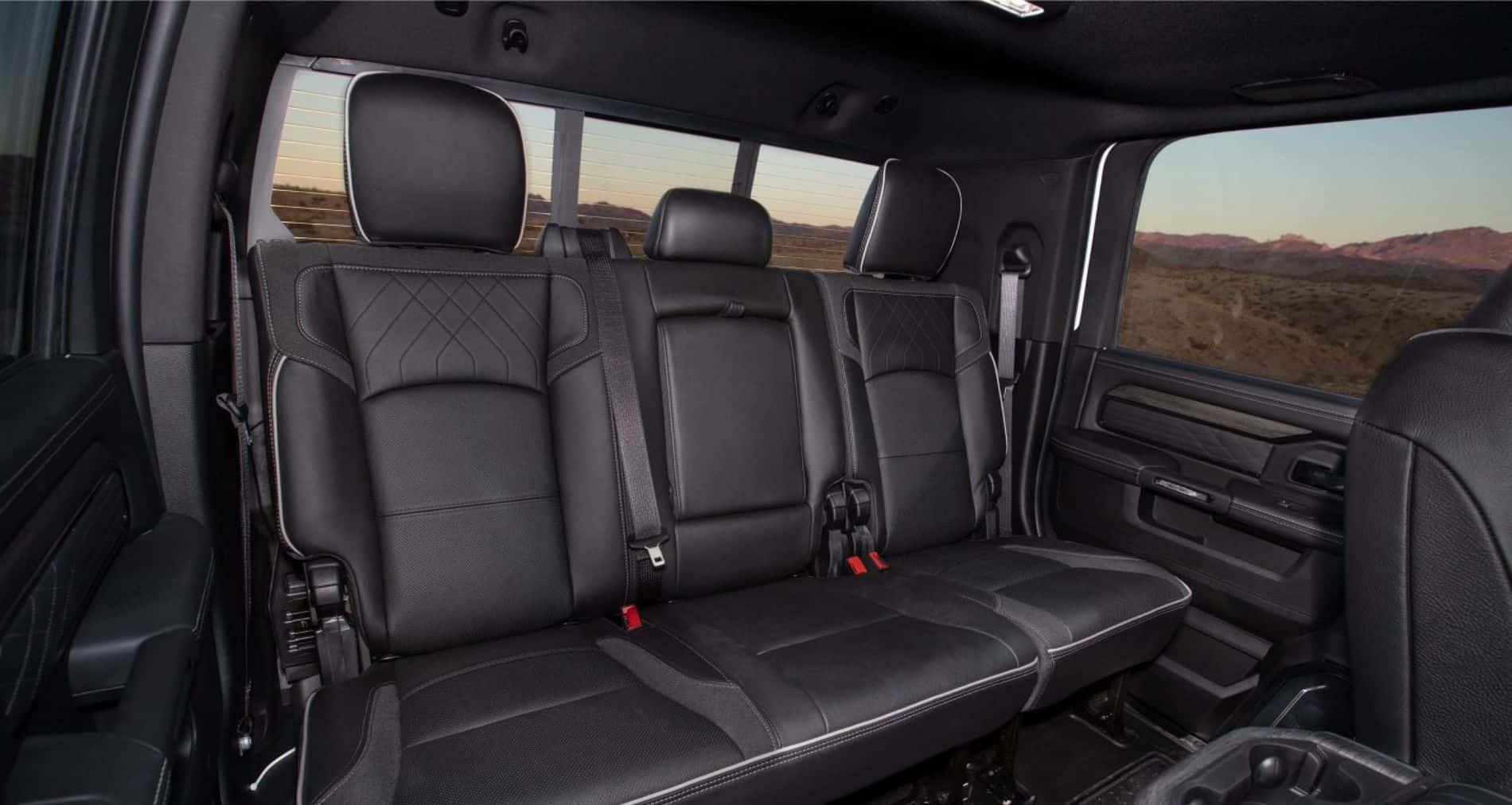
Crew Cab trucks can have rear in-floor storage and an available fold-flat load floor, while Mega Cab emphasizes rear-seat flexibility. Look at the actual fitted equipment and the items you carry. A work bag, drop hitch and groceries need different spaces. An errand near Cherry Hill Mall is a useful reason to think about keeping smaller items secure inside rather than leaving everything loose on the rear seat.
Adaptive cruise control helps maintain a selected following distance, while forward collision warning with active braking addresses potential collisions. Available LaneSense and camera systems add other functions. Ask how the truck indicates each system’s status and how its settings work. Attentive driving remains necessary, particularly with a trailer; assistance features do not raise towing or payload ratings or replace checks of tires, brakes, lights and securement.
The nine national trims are Tradesman, Big Horn, Black Express, Warlock, Laramie, Rebel, Power Wagon, Limited and Limited Longhorn. Power Wagon has separate gas and diesel configurations within that name. The trim guide explains the equipment branches and the price basis for each. Choose a trim after deciding on the passenger space, box and working requirements that constrain the purchase. That keeps an interior preference from deciding a body configuration that does not serve the assignment.
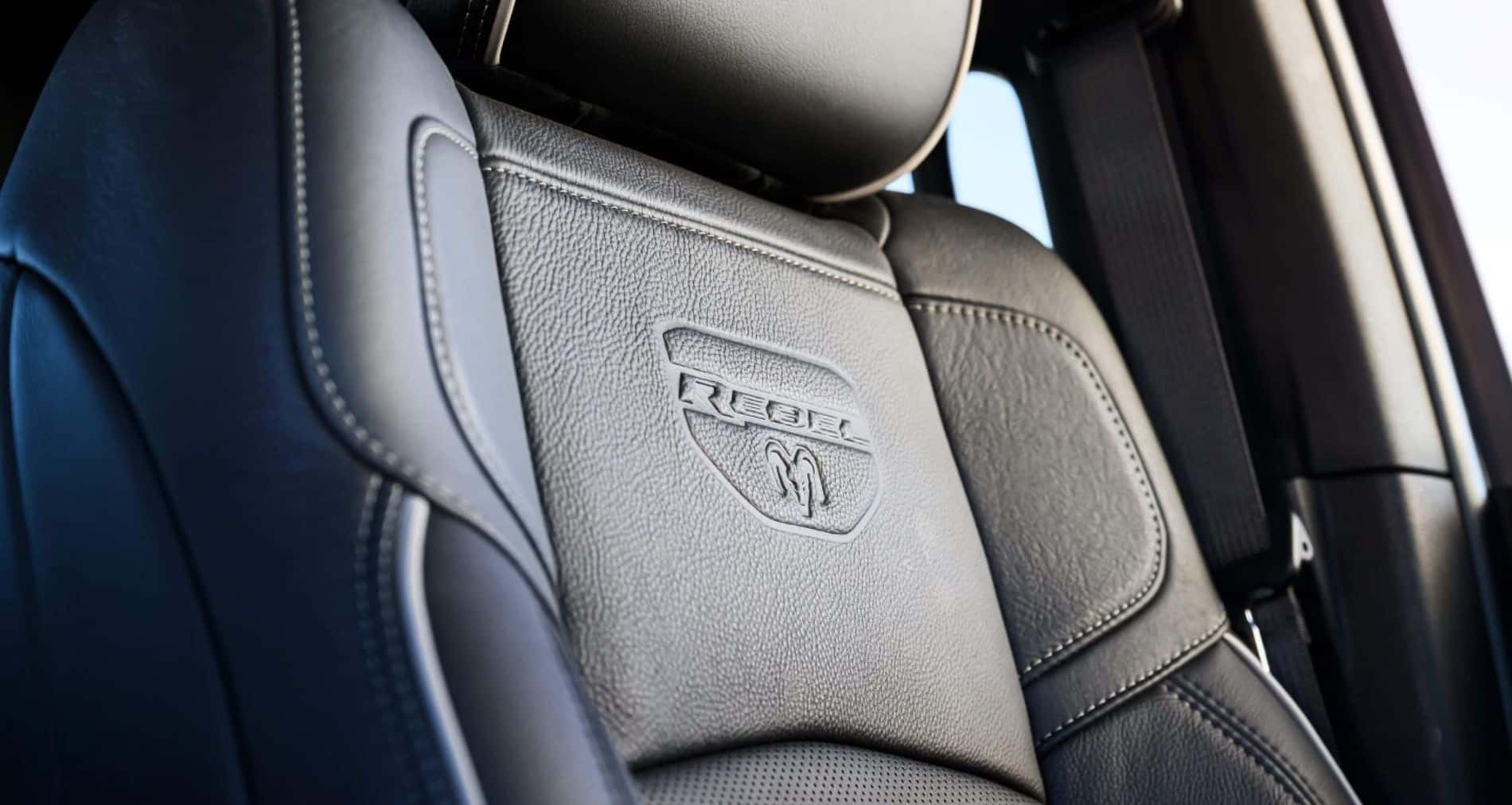
Laramie introduces a leather-trimmed comfort direction. Limited adds premium leather with real wood and aluminum accents, while Limited Longhorn uses Southwestern styling and filigree detailing. Compare the cabin in person and check the specific truck’s seating and equipment. Material preference is a valid part of the purchase, but it should accompany a suitable cab and load configuration rather than deciding those requirements for you.
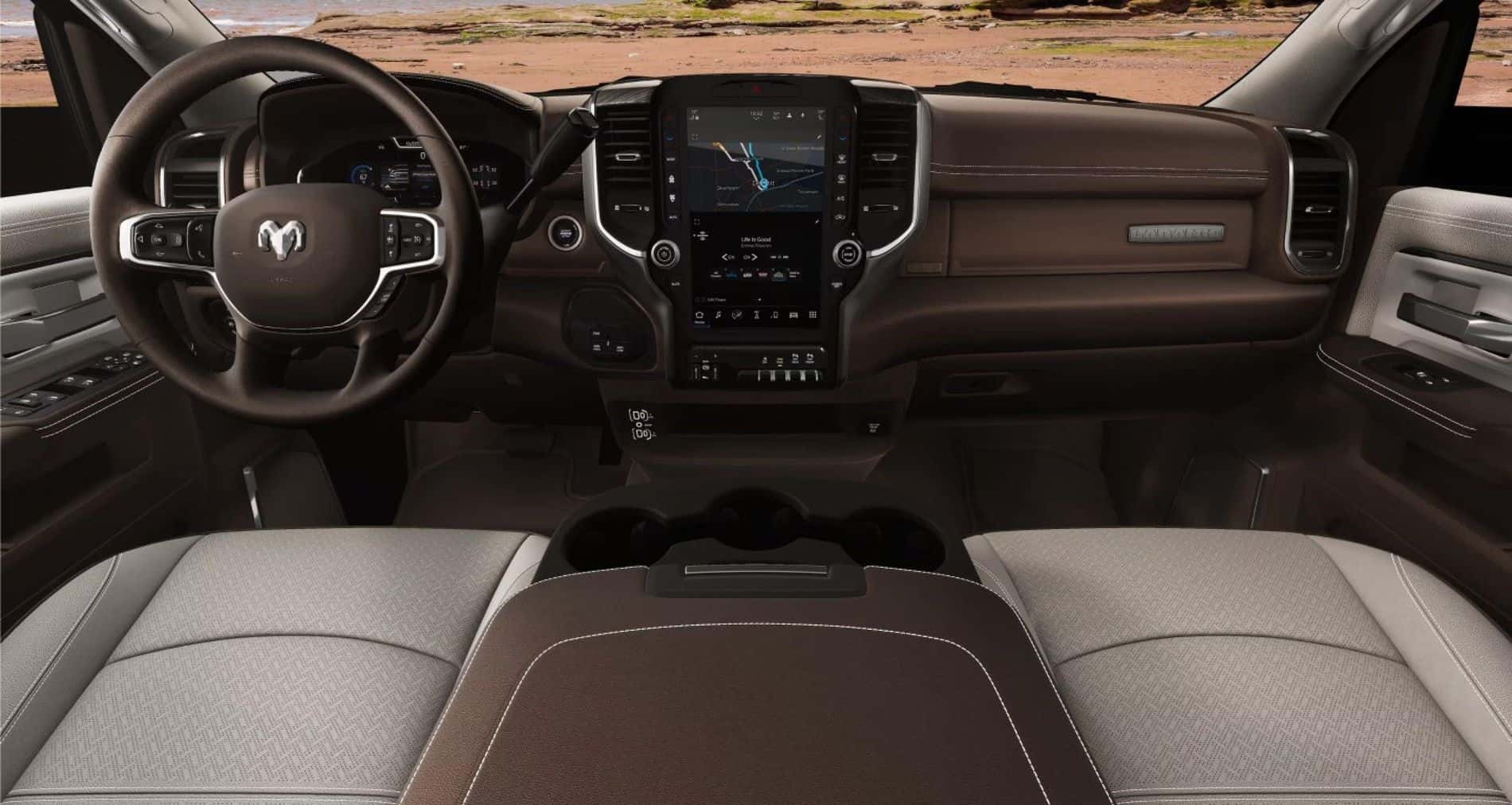
Black Express emphasizes a dark factory appearance. Warlock, Rebel and Power Wagon bring different off-road equipment combinations, with Power Wagon’s specialized differential and sway-bar hardware deserving a distinct discussion. Read the equipment on the individual truck and identify what the job requires. Wheel color or an aggressive photograph does not, by itself, explain suspension equipment, protection, traction features or the capacity of the finished vehicle.
Mega Cab places more emphasis on rear passenger space and seat flexibility, with reclining and forward-folding rear seating. Laramie, Limited and Limited Longhorn are the relevant trim paths. Compare that passenger arrangement with the box length you need. If weekend gear for Historic Smithville and weekday work equipment share the truck, bring representative items and check where they fit with the seats positioned for your regular passengers.
Identify the engine and expected working pattern, then review the applicable factory maintenance requirements with the service department. Towing, prolonged idling, short trips and dusty conditions belong in that conversation. The service and maintenance page names the work to plan for without assigning another engine’s interval to your truck. A clear service record is useful from the beginning of ownership, even when mileage accumulates slowly.
Basic limited coverage ends after 3 years or 36,000 miles, whichever comes first. Gas powertrain coverage is 5 years or 60,000 miles, while diesel powertrain coverage is 5 years or 100,000 miles. Each ends at the first applicable limit, and component definitions, use restrictions and exclusions apply. Review the coverage for the actual truck and distinguish covered repairs from routine maintenance, wear items and any separately purchased protection product.
The diesel has its own oil and filter requirements and adds diesel fuel filtration and DEF-related ownership needs. Compare the services and supplies involved rather than assuming every truck oil-service package is equivalent. Tires, brakes, added equipment and the working pattern also influence the overall plan. Ask for an engine-specific estimate when a service is due, with the work clearly identified before it is authorized.
Follow the applicable factory requirements, retain records and respond to changes in the way the truck drives or to dashboard warnings. Include the actual load and operating pattern when discussing inspections. Regular care supports the truck’s working role, but no universal mileage promise describes every owner’s use. A truck used for repeated towing and idling needs a plan based on those conditions rather than on a generic reputation.
Keep the replacement truck’s load requirements separate from the valuation of the vehicle you are trading. That lets the truck selection and transaction be discussed on their own merits. The trailer requirements establish the configuration you need, while the trade discussion contributes to the purchase numbers. Neither should be reduced to a single monthly-payment target at the outset. Have the proposed truck identified by VIN so any change in equipment remains visible during that discussion.
Send the inventory listings you saved, essential equipment requirements and the cab and engine preferences you have already decided on. Include parking or equipment dimensions if they constrain the purchase. Burlington buyers can also send their trailer details and questions about trade or financing. A concise list helps our team prepare a useful visit and makes it easier to identify which questions still require an in-person demonstration.
Set the driver’s seat for the regular driver, then check the rear seating position and entry arrangement. Bring a child seat or the passengers whose space requirements matter when practical. Test representative bags with the seats in the positions you intend to use. Legroom figures are useful references, but they do not describe every combination of passenger height, front-seat position, seat shape and carried gear.
Describe toolboxes, bed equipment, steps, plow mounting hardware, hitch components and other additions before selecting the vehicle. Their weight and fit can affect the finished truck’s load allowance and usefulness. Ask how each item will be installed and accounted for. A base configuration’s published capacity is a reference for the original setup, not an automatic approval for the vehicle after every accessory has been added.
Compare cab, box, engine and drive system first, followed by the features that are essential to the purchase. Then evaluate seat comfort, mirror visibility, camera operation and access to the bed. Review complete prices on the same basis. This sequence keeps a difference in body or powertrain from being mistaken for a small trim upgrade and makes the test drive answer the questions the equipment lists cannot.
Prepare a list of the truck’s recurring jobs, the people who drive or ride in it and the equipment that stays aboard. Note any company requirements for purchasing or financing and bring the relevant trade information. We can discuss those needs against specific inventory trucks. For business-specific tax or accounting decisions, use your own professional adviser rather than treating a vehicle payment or advertised capability as a complete business decision.
Bring the lender and payoff information along with the trade’s VIN, mileage and condition details. The amount owed and the vehicle’s appraised value are different parts of the transaction. Use the trade-in tool to begin, then review the complete figures with our team. An online starting point does not replace the vehicle inspection or the lender’s applicable payoff information. Ask how each figure enters the proposed transaction before making your decision.
Yes. Discuss the truck’s engine, anticipated mileage and working conditions with the service department as part of planning ownership. Retain the vehicle’s information and begin a consistent maintenance record. The service guide connects to scheduling and parts support, while the sales team can help you understand equipment operation. Knowing those next steps makes the handoff more useful than leaving with only a list of features.
Use the Lucas contact page or call (609) 354-5619 to arrange a visit with your shortlisted trucks and questions. The 2027 research hub gathers the related guides. For a previous-year truck, the previous-year 2026 Ram 2500 overview provides a separate starting point; use the correct model year when reviewing equipment and ratings. Send the listings and essential equipment requirements ahead so the visit can focus on the remaining decisions.
Explore the Ram 2500
Next Step
Tell us how you will use it and we will point you at the right configuration on the lot.


