


Lucas Jeep Chrysler Dodge RAM
2027 RAM 2500 • LUCAS CDJR
Plan gas or Cummins diesel care with Lucas and the factory requirements for your VIN.
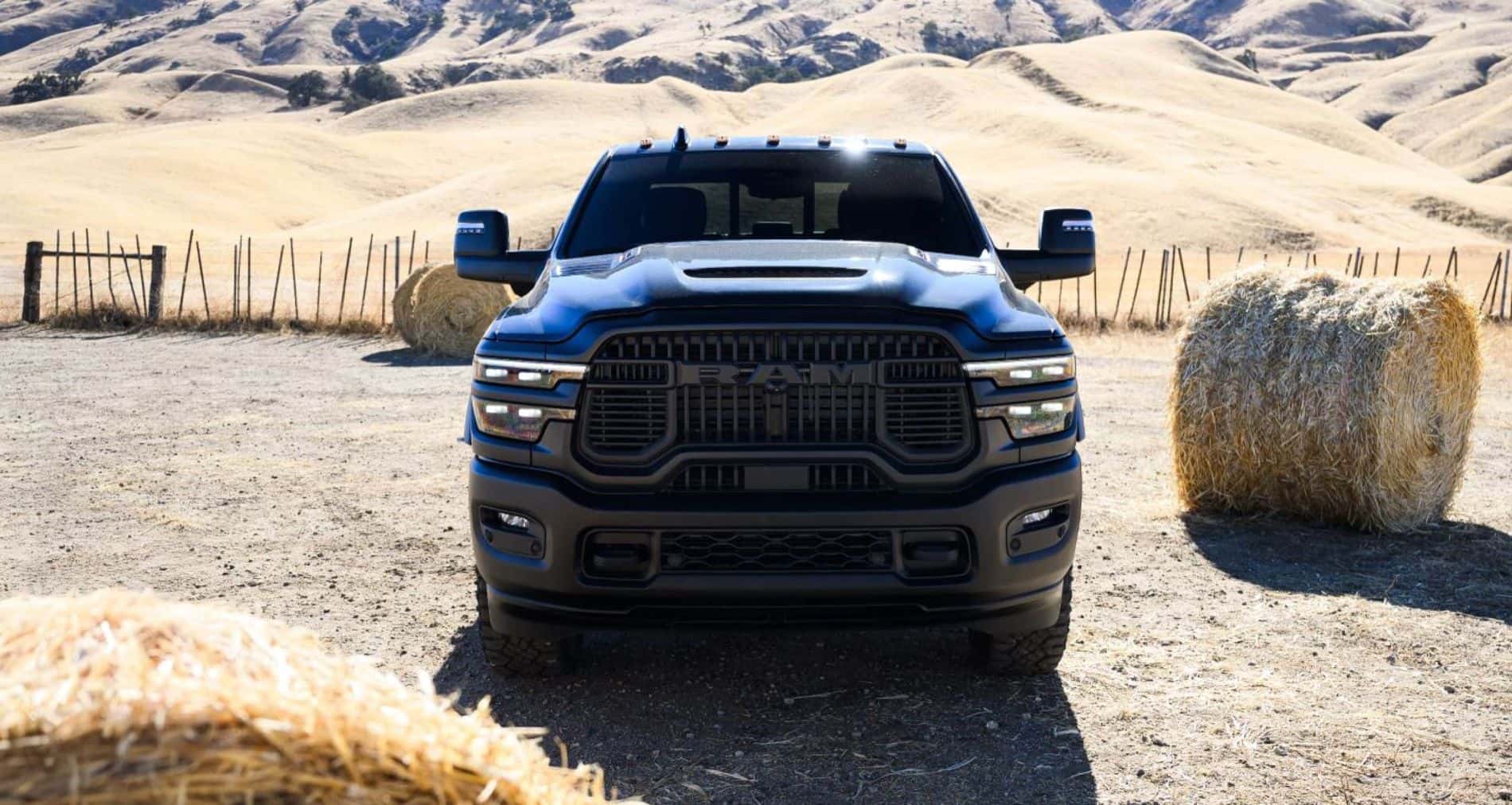
South Jersey Ram 2500 service starts with the truck’s engine, mileage, time in use and working conditions. The 2027 Ram 2500 can use the 6.4-liter HEMI V8 or the 6.7-liter High-Output Cummins diesel, and those engines require different service supplies and procedures. A useful maintenance plan identifies the truck before assigning a job or an interval.
The Lucas CDJR service department can help organize that plan around your VIN and service history. Tell us whether the truck tows, idles for work, travels on dusty surfaces or carries substantial weight. Those details are more useful than asking for a generic truck service package. Keep a record of completed work so the next visit starts with what the vehicle actually needs.
A complete maintenance schedule accounts for both mileage and elapsed time. The relevant service items include engine oil and filter changes, tire inspection and rotation, brake inspection, air filtration, fluid checks and the engine-specific fuel-system services. The Cummins also brings diesel exhaust fluid and diesel fuel filtration into the ownership routine. A schedule for the gas engine should not be reused as the diesel’s schedule.
At the service visit, identify the next due work by the truck’s factory requirements and the record of what has already been completed. A low-mileage truck can still need time-based attention. Long engine-idling periods can also make the odometer an incomplete picture of how the truck works. Cherry Hill owners using a truck for business should include that duty pattern when arranging an appointment.
| Service stage | Items to review | What determines the timing |
|---|---|---|
| Routine visit | Oil and filter; tire condition and rotation; brakes; fluid levels | Engine-specific factory schedule, time and use |
| Higher-mileage planning | Transmission, axle and transfer-case service where applicable; coolant; ignition components on the gas engine | VIN-specific maintenance requirements and completed-service records |
| Cummins care | Diesel fuel filters, water-separator attention and DEF system operation | Diesel factory requirements, indicators and operating conditions |
| Before a demanding trip | Tires, hitch and trailer connections, brakes, lights and fluid condition | Condition checks in addition to the normal service schedule |
The correct oil depends on the model year and engine. Use the specified viscosity, approval and fill quantity for the actual truck, along with the matching filter. An oil’s brand name or synthetic label does not replace those requirements. Tell the service advisor whether the truck is gas or diesel when making the appointment, and include any oil-service message shown in the instrument cluster.
The factory service information and the truck’s oil-change reminder guide interval planning. Heavy towing, prolonged idling, heat, cold and dusty conditions can affect service needs. A fixed mileage borrowed from a different Ram engine is not a substitute for the applicable schedule. An oil-pressure warning also needs a different response from a routine oil-change reminder: stop safely and address the warning rather than treating it as an appointment reminder.
As mileage accumulates, the useful question is which systems are due for attention. Discuss transmission-fluid service, differential and transfer-case fluids where applicable, cooling-system service, air filters, diesel fuel filters and gas-engine ignition service. Each job has its own applicability and timing. Replacing several fluids merely because a truck reached a round odometer number is a different proposition from completing factory-scheduled work.
For a truck traveling between Burlington work sites, service records help distinguish completed work from assumptions about a prior visit. Record the date, mileage, engine-related operating information when relevant, parts and fluids used, and the work performed. A clear history helps the advisor plan the next visit and gives the owner a useful record when the truck changes hands.
Brakes and tires deserve attention on a truck that regularly carries or pulls weight. Tire condition, load specification and inflation affect how the vehicle performs its work; trailer tires have their own requirements too. Discuss uneven wear or a change in steering feel when it appears. Rotation should follow the tire and vehicle requirements, with the correct pattern for the fitted equipment.
Include the trailer connection and lighting in a towing-related check. A camera or dashboard trailer display cannot substitute for working lights, an appropriate hitch and correctly maintained braking equipment. The towing and payload guide covers load planning. Service addresses the condition of the systems that carry out that plan.
The Cummins uses a turbocharged inline-six architecture with a heavy-duty eight-speed automatic, while the HEMI combines V8 gas power with its own eight-speed automatic. A dependable ownership routine pairs that engineering with appropriate fluids, inspections and attention to operating conditions. There is no universal mileage promise that can replace the way an individual truck is maintained and used.
Winter road salt, hot stop-and-go driving and dusty access roads make condition checks worthwhile. Owners traveling along Route 206 or Route 541 can describe the proportion of highway miles, short trips and loaded use rather than relying on the distance alone. Wash accumulated salt and debris as appropriate, inspect tires and lights, and bring changes in braking or driving behavior to the service department’s attention.
Build the maintenance budget around the chosen powertrain and work pattern. A gas truck needs its engine-specific oil, filters and ignition maintenance. A Cummins adds diesel fuel filtration and DEF-related ownership needs. Tires, brakes, accessories and towing use also affect the plan. Compare the services involved rather than assuming an advertised oil-change price represents the full ownership budget.
Basic limited warranty coverage is 3 years or 36,000 miles. The gas powertrain warranty is 5 years or 60,000 miles; diesel powertrain coverage is 5 years or 100,000 miles. Each ends at the first applicable limit, and warranty terms, exclusions and covered-component definitions apply. Routine maintenance and wear items are separate from covered repairs. Ask for a written service estimate and coverage review before authorizing work.
Use our service scheduler to arrange a visit, or call (609) 354-5619. Include the VIN, mileage, engine and the work or concern you want addressed. Mt Ephraim drivers can send service-history details ahead of the visit; Robbinsville owners can include planned trailer use when discussing the next service. Explore the service department, service specials and parts support as you plan.
Provide the VIN, mileage and engine, along with any service record or dashboard message. Explain whether the truck tows, carries equipment or idles for work. Those details help the advisor identify the applicable factory requirements and the items that need inspection.
The engine determines the required oil specification, quantity and filter. A package name alone does not establish suitability. Identify the powertrain when booking and review the services included in the estimate so the supplies and procedure match the actual truck.
Yes. Towing and heavy hauling belong in the description of how the vehicle is used. They help the advisor apply the factory service requirements and inspect relevant wear items. The correct response depends on the truck and duty pattern rather than an arbitrary shortened interval.
Keep the date, mileage, work description and parts or fluids used. Retain the invoice and any inspection results or next-service recommendations. A consistent record makes it easier to plan later work and understand what has already been completed.
They serve different purposes. An inspection reviews condition, wear and other relevant concerns; rotation changes wheel positions according to the applicable requirements. Both can be part of a service discussion, but moving tires does not resolve damage or an unsuitable tire specification.
Give the service department the Cummins truck’s VIN and operating pattern. Diesel oil service, fuel filtration and DEF-related needs should be considered with the applicable factory schedule. Include any messages or changes you have noticed rather than requesting a generic gas-truck service.
Warranty coverage applies to covered repairs under its terms and exclusions. Routine maintenance and wear items are separate ownership considerations. Have the service department review the specific concern and any applicable coverage before treating a scheduled job as a covered repair.
Use the 2026 Ram 2500 guide for the previous model-year overview, and identify that truck’s VIN when arranging service. The model year and engine matter; a 2027 service discussion should not be treated as an exact schedule for a different truck.
Explore the Ram 2500
Next Step
Tell us how you will use it and we will point you at the right configuration on the lot.


